 +263 772 354 780 | +263 772 301 871


Welcome to Chipangali
Welcome to the Chipangali Wildlife Trust, a safe haven for wildlife nestled in the heart of Zimbabwe, where the roars of the wild merge with the spirit of conservation. For over half a century, our sanctuary has stood as a testament to the dedication and love for Africa’s magnificent wildlife and the effort to preserve its future for generations to come. At Chipangali, every visitor steps into a tapestry of life where each animal tells a story of survival and hope.
Our mission goes beyond rescue and rehabilitation; we promote principles of compassion, education, and hands-on conservation accessible to all. Echoing the meaning of our name “Chipangali”, derived from the Chinyanja language in Zambia signifying “open friendly country”, we open our door to everyone worldwide to explore a unique combination of guided tours, educational initiatives, international volunteer opportunities, internships, and immersive wildlife experiences.
WIldlife Conservation & Education

Get Involved – be a Volunteer
Our volunteer programme is an opportunity for you to participate in meaningful Wildlife Conservation work.

Our Views – what we stand for
We believe in sharing the big ideas and important values that guide everything we do.
Epic Kids – Outreach Programme
A program aimed at instilling an appreciation for wildlife conservation among the youth of Zimbabwe.
History of Chipangali
The history of the Chipangali Wildlife Orphanage in Zimbabwe is a story of dedication, conservation, and the deep bond between humans and wildlife.
Established in 1973 by Vivian Wilson, an ex-game ranger, and his wife Paddy, Chipangali has grown from humble beginnings into one of Africa’s most celebrated wildlife rehabilitation and release centers. Its mission reflects a profound commitment to the care and preservation of wildlife, operating under a philosophy that distinguishes it significantly from conventional zoos.
The inception of Chipangali was motivated by the Wilsons’ recognition of the urgent need for a facility that could provide refuge and care to orphaned, abandoned, and injured wild animals in Zimbabwe. The country, rich in biodiversity and wildlife, faced challenges such as habitat destruction, poaching, and human-wildlife conflict, which often left many animals vulnerable and in need of intervention. More >


Chipangali in Numbers
Current Animal Population
Animals Rehabilitated & Released
Outreach Program Schools Visited
Student Attendence


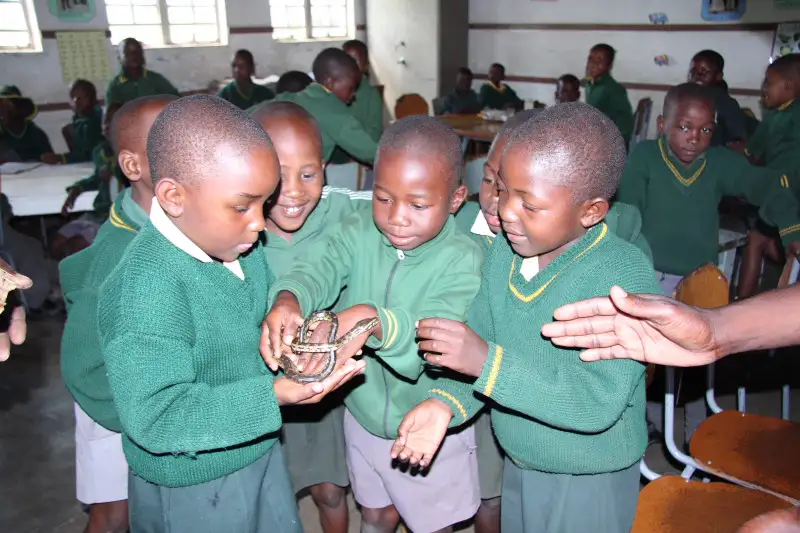
Educational Programmes
The Environmental Programs Involving Children (EPIC) Kids is a remarkable outreach program initiated by Chipangali Wildlife Orphanage in 2011, in partnership with the Department of National Parks, to foster conservation education among young minds. EPIC Kids has been dedicated to educating the Zimbabwean youth about the country’s diverse wildlife heritage, focusing on the importance of education and awareness to kids on animals which they are likely to encounter in nature. During the school year, the program conducts weekly outreach to schools in Bulawayo and nearby areas, providing an engaging and interactive learning experience. Children are treated to live demonstrations of various animals such as tortoises, snakes, chameleons, and hedgehogs, followed by an interactive quiz that allows them to collect animal cards. This hands-on approach not only educates but also instills a sense of wonder and responsibility towards wildlife conservation. To date, EPIC Kids has reached over 400,000 children from more than 350 schools, making it a significant force in conservation education within Zimbabwe.
The Animals of Chipangali
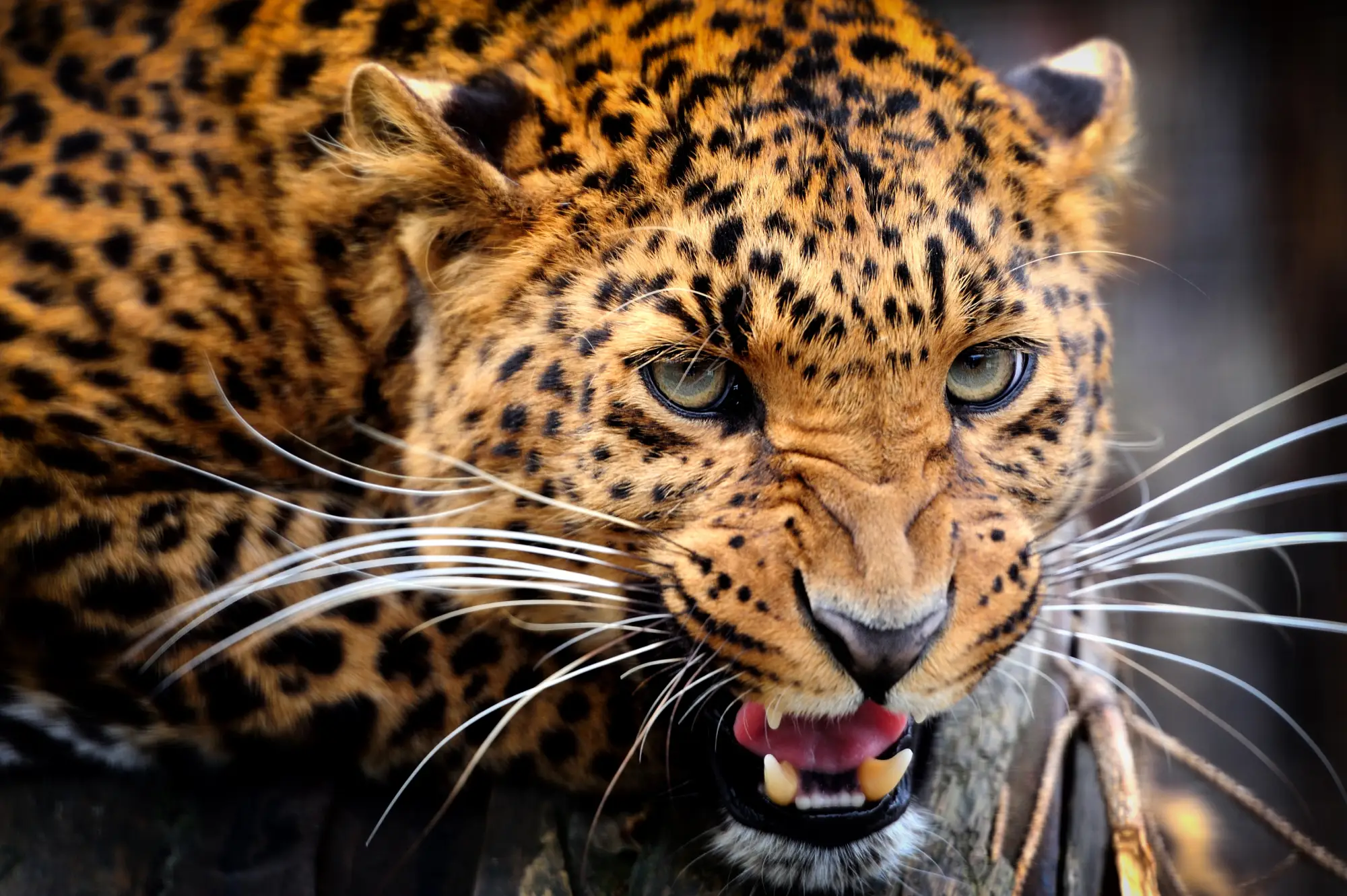
Leopards
Panthera pardus
The African leopard is a solitary and elusive big cat, renowned for its agility, strength, and distinctive spotted coat. Masters of stealth, they are capable of dragging prey much heavier than themselves up into trees to avoid scavengers. Leopards are nocturnal hunters, utilizing their acute senses of hearing and vision for stalking.
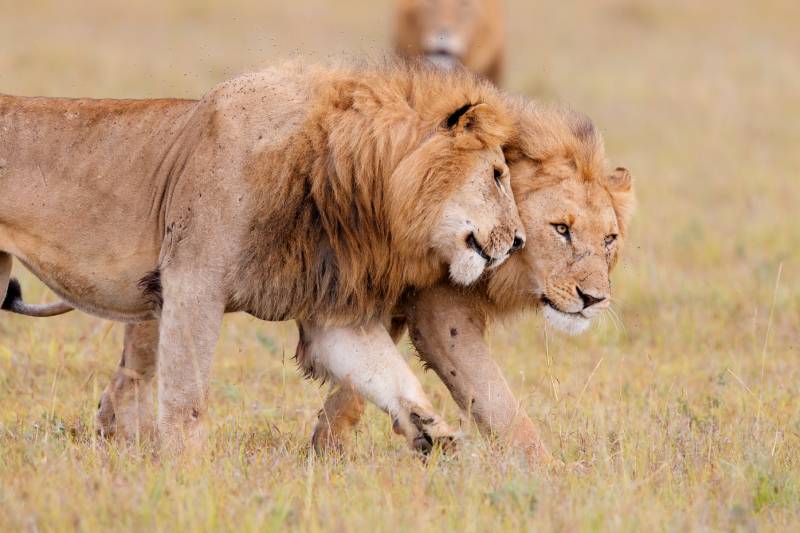
Lions
Panthera leo
Lions, known as the “king of beasts,” are social felines that live in groups called prides, consisting of related females, their offspring, and a small number of adult males. Unique among big cats, their social structure allows them to dominate their territories and ensures cooperative care and protection of their young. The lions of Chipangali narrate a poignant story of life bounded by love and limitations.
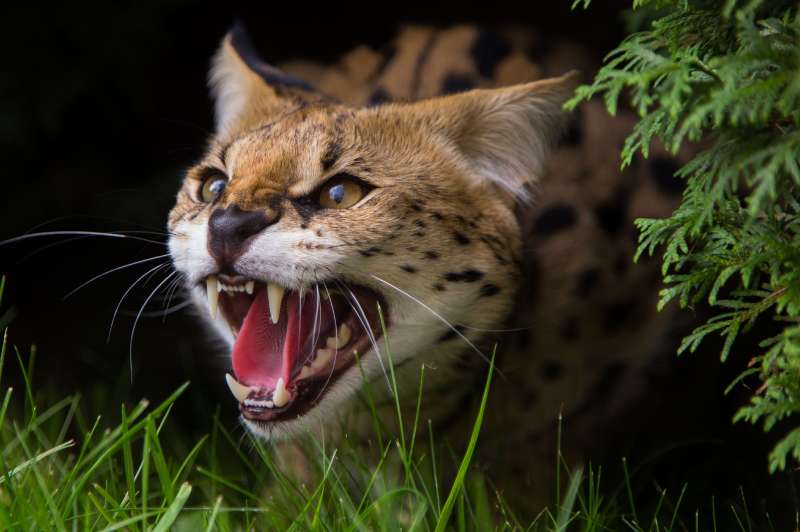
Servals
Leptailurus serval
Servals are medium-sized African cats known for their striking appearance, characterised by a slender build, notably long legs, and large ears that give them exceptional hearing to detect prey. Adapted to a variety of habitats, they excel in hunting due to their agility and ability to leap high into the air to catch birds or dig into burrows after rodents.
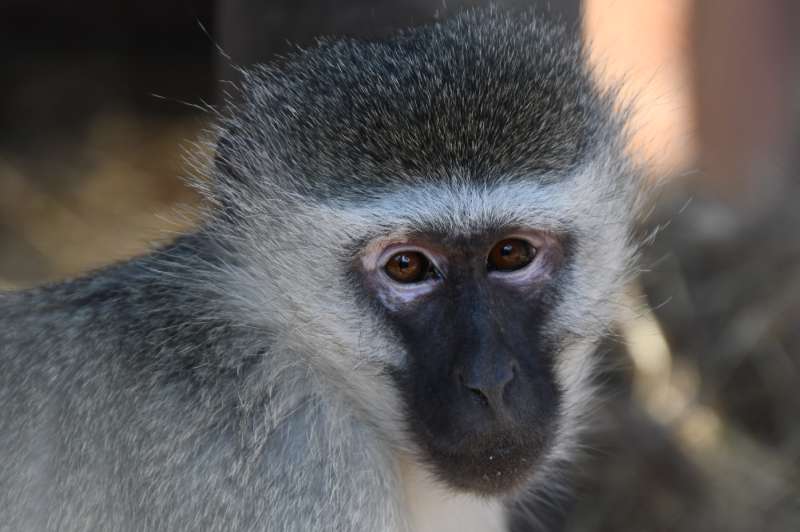
Vervet Monkeys
Chlorocebus pygerythrus
Vervet monkeys are highly social and intelligent animals, living in well-organised troops that can include dozens of individuals. These troops are matriarchal, with females generally remaining in the same group for life, while males may move between groups. Vervets are known for their complex vocalisations, which they use to communicate with each other about the presence of predators and food sources.
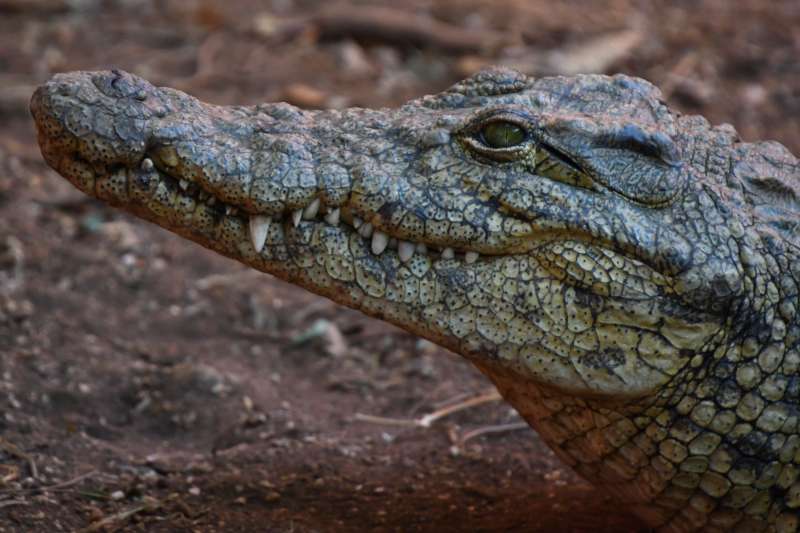
Crocodiles
Crocodylus niloticus
Nile crocodiles are formidable reptiles known for their impressive size, strength, and predatory skills, making them one of the most feared predators in their ecosystem. They have a unique social structure characterized by a hierarchy that dictates territory and mating rights. Nile crocodiles possess an extraordinary ability to remain nearly motionless for long periods, making them expert ambush predators.
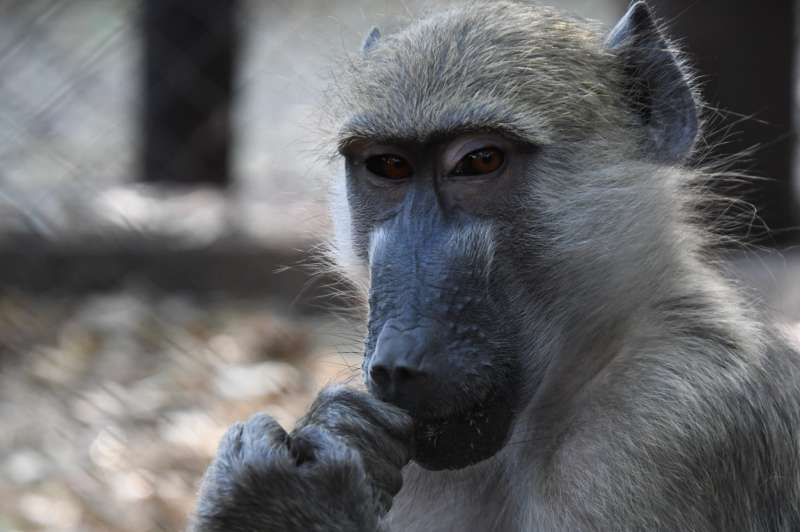
Baboons
Papio ursinus
Chacma baboons are social creatures that live in troops of up to several hundred members, led by a dominant male. These troops have complex social structures and hierarchies that govern interactions and mating rights. Chacma baboons are known for their intelligence and have been observed using tools and engaging in tactical behavior when raiding crops or defending against predators.
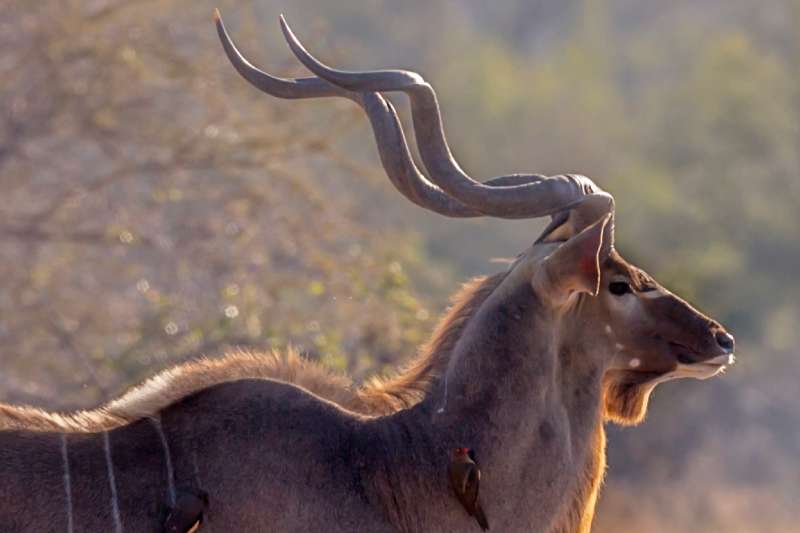
Greater Kudu
Tragelaphus strepsiceros
Greater Kudus are known for their shy and elusive nature, often remaining hidden within dense vegetation. Their large ears give them excellent hearing, helping them detect predators while their cryptic coloring and quiet demeanor help them blend into their surroundings. Males’ impressive horns are not only used for defense against predators but also in dramatic displays during mating rituals and fights for dominance.