 +263 772 354 780 | +263 772 301 871
  info@chipangali.com
Baboons
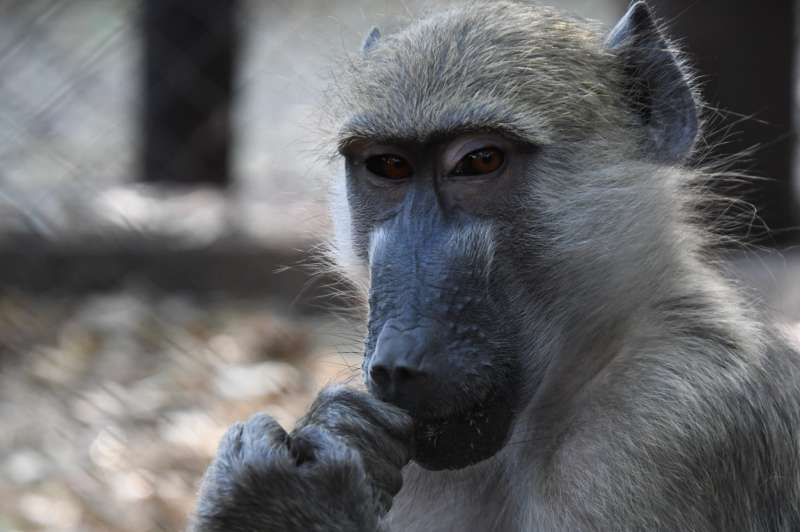
Chacma baboons are social creatures that live in troops of up to several hundred members, led by a dominant male. These troops have complex social structures and hierarchies that govern interactions and mating rights. Chacma baboons are known for their intelligence and have been observed using tools and engaging in tactical behavior when raiding crops or defending against predators. Communication within a troop involves a variety of vocalizations, body postures, and facial expressions. Despite their status as least concern, local populations of Chacma baboons may be at risk due to increasing conflict with humans, especially in areas where their natural habitats overlap with agricultural and urbanized regions. Conservation efforts are essential to ensure that these intriguing primates can coexist with human communities without coming to harm.
Scientific Name: Papio ursinus
- Habitat: Chacma baboons are found in various habitats across southern Africa, including savannas, woodlands, and mountains. They are highly adaptable and can also live in proximity to human settlements.
- Diet: Omnivorous, with a diet consisting of fruits, seeds, grasses, insects, small mammals, and occasionally birds. They are also known to raid crops and scavenge food from human areas.
- Physical Characteristics: Chacma baboons are among the largest of all monkeys. They have a distinctive appearance with a dog-like face, powerful build, and large canines. Males are significantly larger than females, with males weighing up to 33 kg (73 lbs) and females around 15 kg (33 lbs).
- Lifespan: They can live up to 30 years in captivity, but their lifespan in the wild is generally around 20 years.
- Reproduction: Females reach sexual maturity at about 5 to 6 years, while males mature around 7 to 8 years. The gestation period is approximately six months, resulting in the birth of a single infant.
- Conservation Status: Listed as Least Concern by the IUCN, though certain populations are threatened by habitat destruction, hunting, and persecution as pests.
Baboons at Chipangali

Steven
Species: Chacma Baboon
Age on Arrival: Unknown (young juvenile)
Arrival Date: Unknown
Sex: Male
Steven’s Story: Steven was caught in the crossfire of a troop fight and left abandoned. A local farm owner rescued him, bringing him to Chipangali. His story teaches visitors about the dangers young wildlife face, the impact of troop dynamics, and the sanctuary’s role in providing care and second chances.

Masangu
Species: Chakma Baboon
Age on Arrival: 6 weeks
Arrival Date: 20 April 2009
Sex: Male
Masangu’s story: It began with a heart-wrenching separation from his mother, who was cruelly taken for crocodile bait. His rescue and subsequent arrival at Chipangali turned a tale of sorrow into one of hope and survival. Through the sanctuary’s care, Masangu has grown into a symbol of resilience, embodying the sanctuary’s dedication to providing a safe haven for those most in need.

Cane
Species: Chakma Baboon
Age on Arrival: Approx. 2.5 months
Arrival Date: 26 October 2004
Sex: Male
Cane’s Story: Rescued from the harsh wilderness of the Matopos, Cane’s early life was marred by physical afflictions and the absence of a mother’s care. Under the nurturing hands of Claire Lupton at Chipangali, he found not only healing but also a new lease on life. Known for his affectionate air kisses, Cane’s transformation from a vulnerable infant to a cherished member of the sanctuary family exemplifies the profound impact of compassion and rehabilitation.
Get Involved!
