 +263 772 354 780 | +263 772 301 871

Grey Duikers

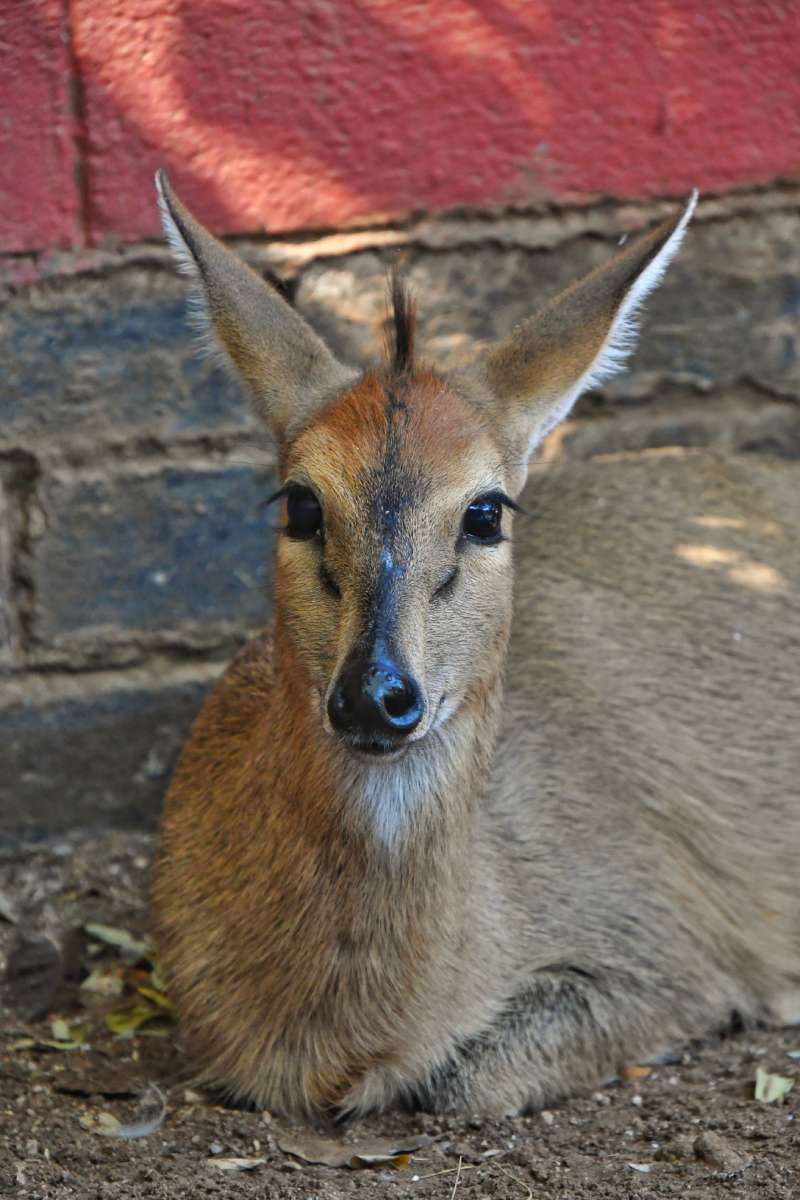
Common Grey Duikers are known for their elusive nature, often freezing in place to blend into their surroundings and avoid detection by predators. They are named “duiker” from the Dutch word for “diver,” referring to their habit of diving into bushes when threatened. These antelopes are vital components of their ecosystems, aiding in seed dispersal through their diet. Despite their resilience and adaptability to changing environments, including areas affected by human activities, maintaining their natural habitats is crucial for their continued survival and the overall biodiversity of their ecosystems.
Scientific Name: Sylvicapra grimmia
- Habitat: The Common Grey Duiker, also known simply as the Grey Duiker, inhabits a wide range of environments across sub-Saharan Africa, including savannas, grasslands, and dense brush areas within forests. They are adaptable and can also be found in areas with human activity.
- Diet: Primarily browsers, their diet consists of leaves, fruits, seeds, flowers, and occasionally small insects, making them omnivorous. They are also known to eat the eggs of ground-nesting birds.
- Physical Characteristics: Grey Duikers are small antelopes with a slender build and a distinctive grey to brownish-grey coat, often with a slight reddish tinge. They have short, sharp horns present in both sexes, though they are more commonly found in males. They typically weigh between 12 to 21 kg (26 to 46 lbs) and have a shoulder height of 50 cm (20 inches).
- Lifespan: They can live up to 8-12 years in the wild, with longer lifespans reported in captivity.
- Reproduction: Grey Duikers are solitary animals with a monogamous breeding pattern. Females can give birth to one calf at any time of the year after a gestation period of about 9 months. Calves are well developed at birth and can stand and walk shortly after.
- Conservation Status: Listed as Least Concern by the IUCN. Despite their widespread distribution, they face threats from habitat destruction and hunting for bushmeat.
Grey Duikers at Chipangali

Skyy
Species: Common Grey Duiker
Age on Arrival: Born at Chipangali
Arrival Date: 31 January 2022
Sex: Female
Skyy’s Story: Skyy’s birth at Chipangali to Eris and Jager marks a new generation of life within the sanctuary’s care. Her upbringing, under the watchful eyes of her parents and the sanctuary staff, speaks to the possibility of maintaining the essence of wildness even within the confines of human care. Skyy’s story is one of hope, symbolizing the sanctuary’s success in nurturing life in a way that honors the inherent wild nature of its inhabitants.
Eris
Species: Common Grey Duiker
Age on Arrival: 1 week
Arrival Date: 7 November 2015
Sex: Female
Eris’s Story: The discovery of Eris, abandoned and vulnerable, brought her into the fold of Chipangali, where she was hand-raised with the same love and care as those before her. Her story with Jager, culminating in the birth of Skyy, weaves a tale of life, growth, and the continuation of species under the sanctuary’s watchful eye. It’s a testament to the sanctuary’s role not just as a haven but as a place where the cycles of life can continue in safety and peace.

Jager
Species: Common Grey Duiker
Age on Arrival: 10 Days
Arrival Date: 11 December 2011
Sex: Male
Jager’s Story: Jager’s journey from a vulnerable fawn found wandering on a road to a cherished member of Chipangali encapsulates the sanctuary’s ethos of rescue and care. Raised alongside companions from different species, his story underscores the interconnectedness of all living beings and the importance of compassion. However, the tale takes a bittersweet turn with Jager’s territorial nature leading to tragic outcomes within his enclosure, reflecting the challenges of mirroring the wild within a sanctuary setting.

Nova
Species: Common Grey Duiker
Age on Arrival: Approx. 1 week
Arrival Date: 6 October 2022
Sex: Female
Nova’s Story: Nova’s journey to Chipangali began under the most serendipitous and tragic of circumstances, discovered in the grass where her mother had left her, fleeing from the threat posed by humans. Brought to the sanctuary with a burn on her nose, Nova’s resilience in the face of adversity exemplifies the sanctuary’s commitment to nurturing the most vulnerable. Her friendship with Ducky, another of the sanctuary’s charges, highlights the sanctuary’s success in creating bonds of companionship among its residents, offering them a semblance of the wild communities they were torn from.
Get Involved!
Top Image: Charles J. Sharp, CC BY-SA 4.0
Profile Image: Bernard DUPONT, CC BY-SA 2.0, via Wikipedia Commons