+263 772 354 780 | +263 772 301 871

Crocodiles
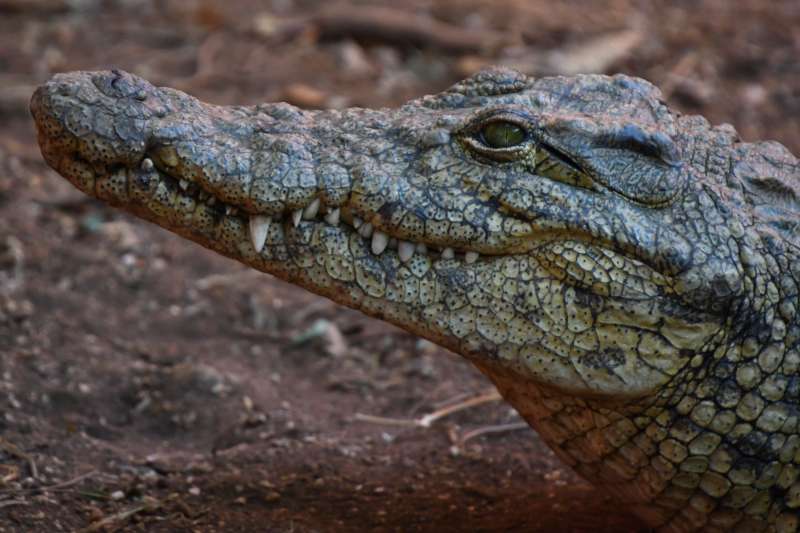
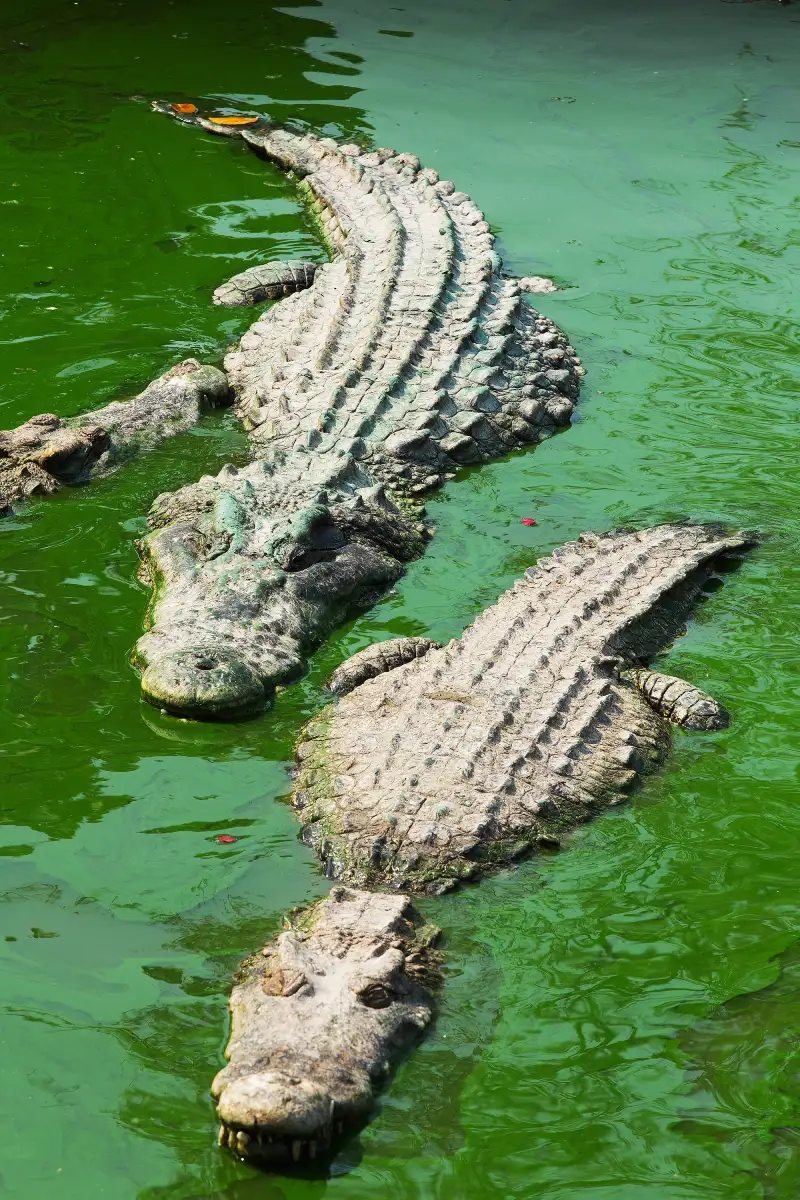
Nile crocodiles are formidable reptiles known for their impressive size, strength, and predatory skills, making them one of the most feared predators in their ecosystem. They have a unique social structure characterized by a hierarchy that dictates territory and mating rights, especially among males. Nile crocodiles possess an extraordinary ability to remain nearly motionless for long periods, making them expert ambush predators. Despite their fierce reputation, they play a crucial role in maintaining the ecological balance by controlling the population of their prey. Conservation efforts are important to ensure the stability of their populations, addressing the challenges posed by human activity and environmental changes. Nile crocodiles also have significant cultural and economic value in some regions, where they are involved in eco-tourism and crocodile farming industries.
Scientific Name: Crocodylus niloticus
- Habitat: Nile crocodiles are found in freshwater environments throughout sub-Saharan Africa, including rivers, lakes, marshes, and man-made reservoirs. They can occasionally be found in brackish water..
- Diet: Opportunistic apex predators, their diet includes fish, birds, mammals (ranging from small rodents to large ungulates), and occasionally other reptiles.
- Physical Characteristics: One of the largest crocodile species, adult Nile crocodiles can reach lengths of up to 5 meters (16 feet) and weigh as much as 700 kg (1,540 lbs). They have a dark bronze coloration with darker spots and stripes on their body and tail.
- Lifespan: They can live up to 70-100 years in the wild.
- Reproduction: Nile crocodiles are seasonal breeders with the female laying 25 to 80 eggs, which she buries near water bodies. The eggs incubate for about 90 days, with the temperature determining the sex of the offspring.
- Conservation Status: Listed as Least Concern by the IUCN, but local populations are threatened by habitat loss, hunting for their hide, and conflict with humans.
Crocodiles at Chipangali
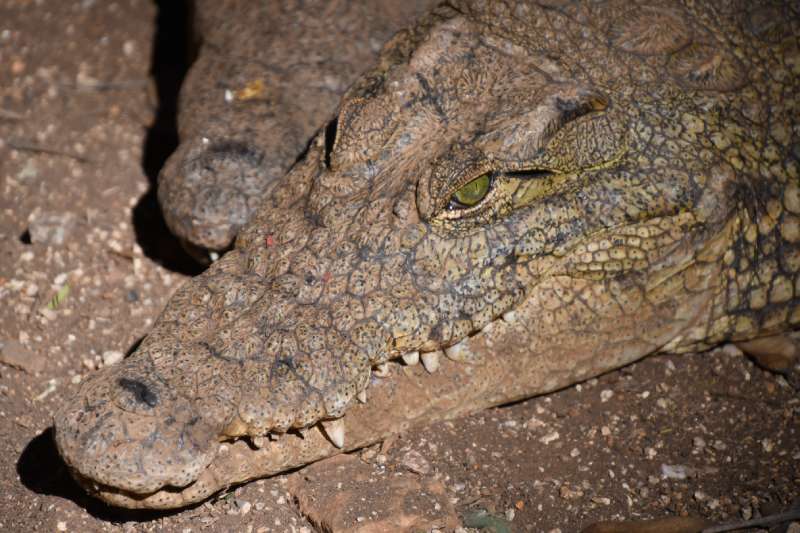
Dusty, Cinnamon and Shimmer
Species: Nile Crocodiles
Age on Arrival: Approx. 2 years
Arrival Date: 30 May 2019
Sex: 2 Females, 1 Male
Their Story: Rescued from the grim confines of a pit at a shebeen, Dusty, Cinnamon, and Shimmer’s arrival at Chipangali marked the beginning of a new chapter filled with hope and rehabilitation. Their rescue not only underscored the sanctuary’s commitment to saving lives across species but also highlighted the plight of wildlife caught in the throes of human entertainment. As they await the resolution of their court case, their presence at the sanctuary serves as a poignant reminder of the need for wildlife protection and ethical treatment.
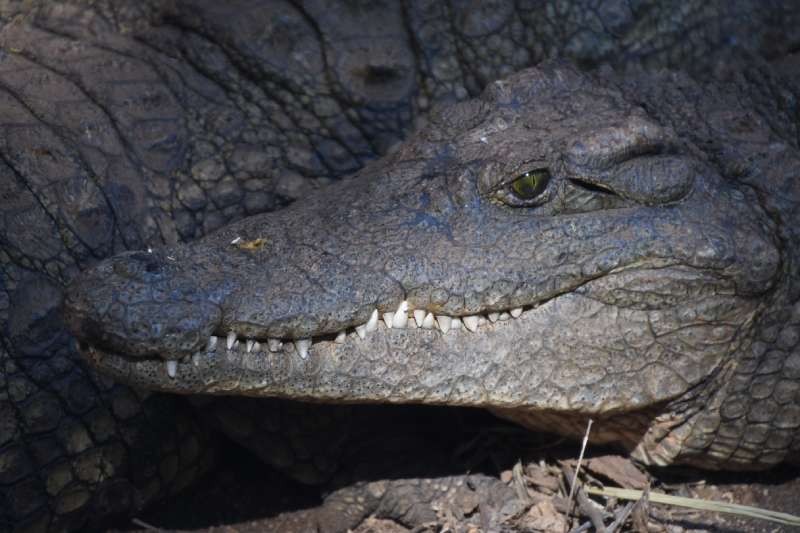
Cinnamon
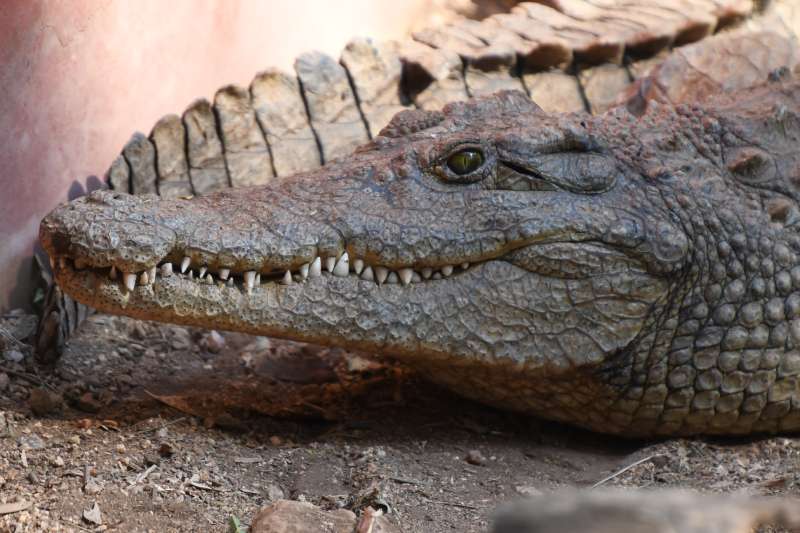
Shimmer

Clive
Species: Nile Crocodile
Age on Arrival: Unknown
Arrival Date: Unknown
Sex: Male
Clive’s Story: Clive’s journey to Chipangali echoes the complexities of human-wildlife conflict, with his past marred by accusations of livestock predation. In choosing sanctuary over culling, Chipangali provided Clive with an opportunity not just for survival but for participation in the sanctuary’s educational outreach, offering invaluable insights into the lives of Nile crocodiles and the importance of coexistence.

Winnie
Species: Nile Crocodile
Age on Arrival: Unknown
Arrival Date: Unknown
Sex: Male
Winnie’s Story: Winnie’s tale diverges from the conventional paths trodden by most of Chipangali’s inhabitants. Rather than facing a premature end due to conflicts with livestock in the Sabi/Limpopo area, Winnie was given a second chance at life within the sanctuary’s protective bounds. His story is a powerful testament to the sanctuary’s broader environmental commitment, extending its compassionate reach even to those creatures often misunderstood and maligned by humans.
Get Involved!